Akkermansia muciniphila was first described by researchers in 2004. Its name hints at its lifestyle: it lives in the mucus layer that lines the gut and uses components of that mucus (mucin) as food. In the years since, it has become one of the most-discussed gut bacteria in metabolic research.
Why researchers are interested
Observational studies have found that people with healthier metabolic profiles often have more Akkermansia in their gut, while lower levels have been associated with some metabolic conditions. Because it lives at the mucus layer, researchers are also interested in its relationship with the gut barrier.
What has been tested in people
Human trials so far are small and specific. A widely cited 2019 proof-of-concept study gave overweight volunteers either live or pasteurised A. muciniphila for three months and reported changes in some metabolic markers with the pasteurised form, while differences in body weight were not statistically significant. Later trials have studied specific pasteurised preparations, and in 2021 the European Food Safety Authority assessed pasteurised A. muciniphila as a novel food ingredient.
Live vs pasteurised matters. Much of the human research uses a specific pasteurised preparation at a defined dose. Results from one preparation can’t simply be assumed for another.
Supporting your own Akkermansia
Studies in this area often point to polyphenol-rich foods (such as berries, pomegranate, green tea and cocoa) and fermentable fibres as dietary patterns associated with higher levels.
Reading it on a label
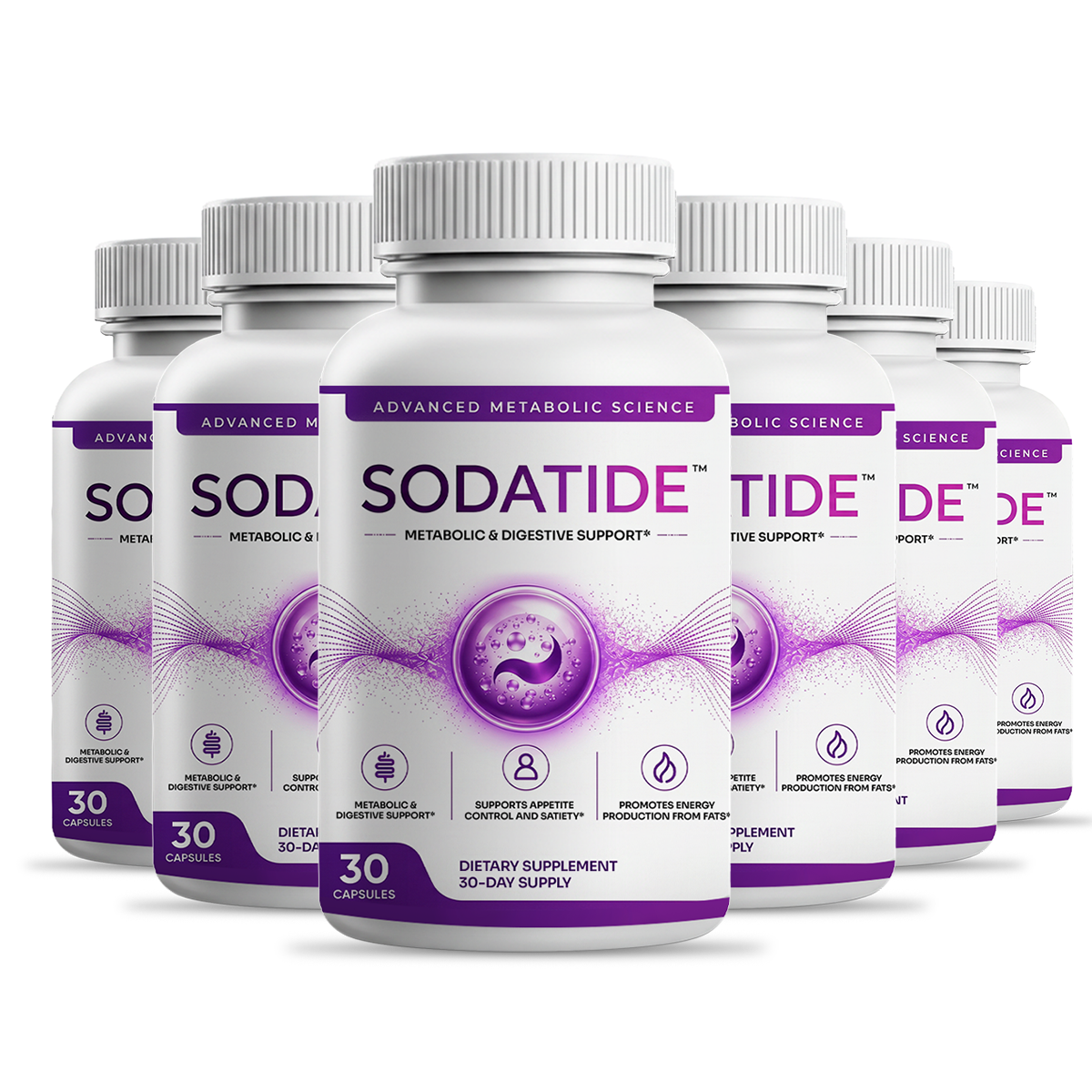
Sodatide’s probiotic blend names Akkermansia muciniphila alongside B. infantis and C. butyricum in a 36 mg combined blend. The label does not say whether the Akkermansia is live or pasteurised, or how much of the blend it makes up. Treat its presence as a sign of the formula’s focus, not as proof that published trial results will apply.
Learn more about Sodatide: see what’s in each capsule, how to take it, or the related focus area, Metabolic Support.
This article is for general education and is not medical advice. Talk to a qualified healthcare professional about your own health, medications or supplements.